Project Article
In Spring 2026, Give Earth a Smile launched Seeds for Change, a three-day environmental education initiative at Bwiba Full Primary School in the rural Karonga District of Malawi. With approximately 461,000 Malawian Kwacha ($266 USD) raised, the project brought together students and educators to explore the importance of water conservation and environmental responsibility.
Over the course of three days, 30 students participated in interactive lessons and activities designed to connect environmental concepts to their everyday lives. The program featured a storytime session centered around Why Should I Save Water? by Jen Green, helping students explore the importance of protecting and conserving one of our most essential resources.
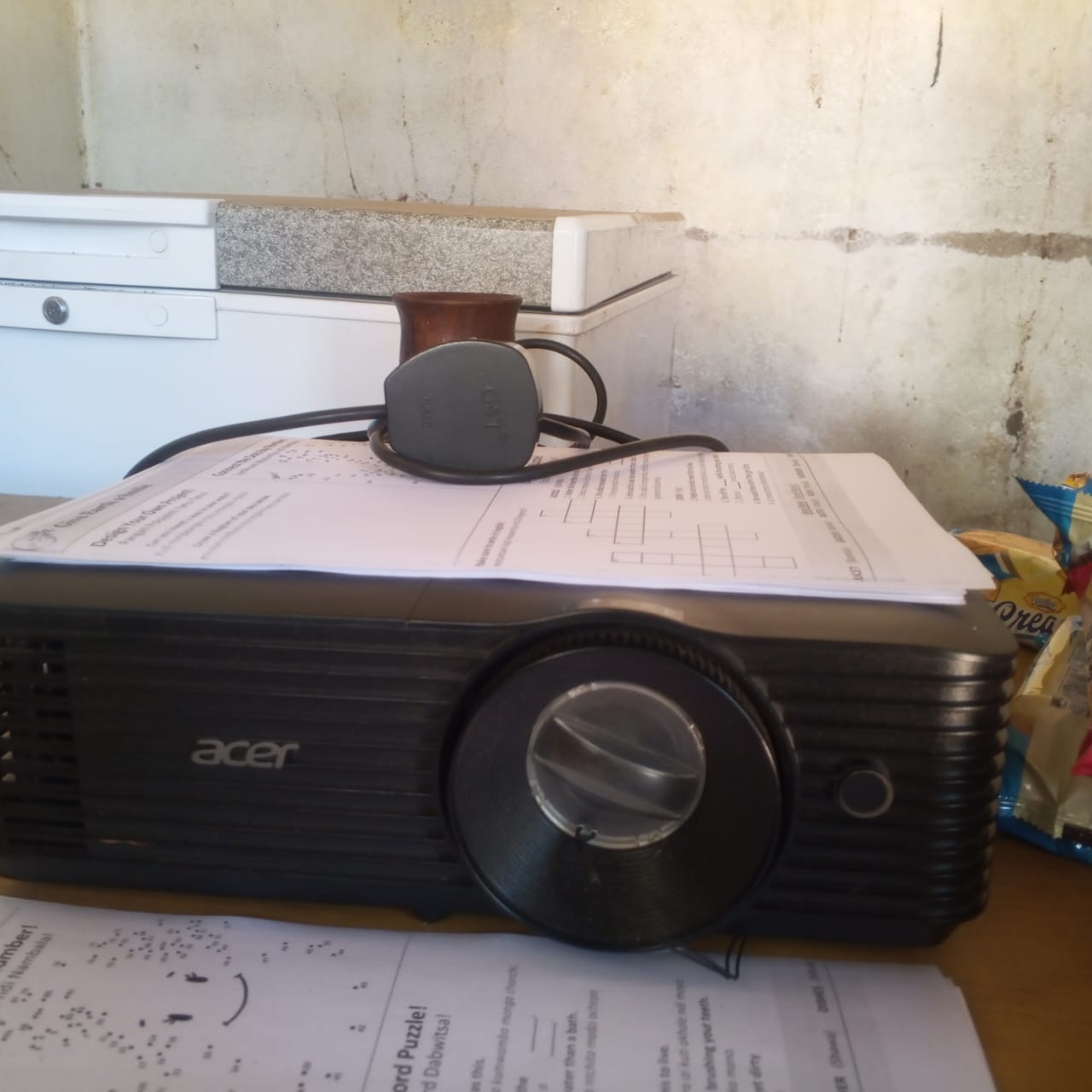
The Give Earth a Smile team also developed interactive worksheets specifically for the program, encouraging students to think critically about water conservation and identify ways they could make a difference in their own homes and communities. Rather than simply learning about environmental challenges, students were encouraged to become part of the solution.
The program culminated in students designing their own student-led water conservation action plans, transforming what they learned into ideas for meaningful environmental action. These projects were designed to inspire students to take ownership of environmental issues and recognize that even small actions can contribute to lasting change.
Seeds for Change represents Give Earth a Smile's belief that environmental education is most powerful when young people are given the knowledge, creativity, and confidence to take action. By introducing environmental awareness at a young age and empowering students to develop solutions of their own, the initiative aims to nurture a generation of young environmental leaders who can create positive change within their families, schools, and communities.
Project Objective
Introduce students to water conservation and environmental responsibility through interactive education while empowering them to transform what they learn into practical, student-led environmental action.
Challenges and Opportunities
- Limited access to structured environmental education opportunities in rural communities.
- Water conservation is an important environmental issue that directly connects to students' everyday lives.
- Young students may understand environmental problems but have fewer opportunities to develop solutions of their own.
- Interactive lessons can make environmental concepts more understandable and memorable.
- Schools provide an opportunity to introduce environmental responsibility at an early age.
- Student-led projects can extend environmental learning beyond the classroom and into families and communities.
Proposed Solution
- ✓Organize a three-day environmental education program at Bwiba Full Primary School.
- ✓Introduce students to the importance of water conservation and environmental responsibility.
- ✓Use interactive lessons and activities to connect environmental concepts with students' everyday lives.
- ✓Incorporate a storytime session focused on water conservation.
- ✓Develop original Give Earth a Smile worksheets for participating students.
- ✓Encourage students to identify ways they can conserve water at home and within their communities.
- ✓Guide students in developing their own water conservation action plans.
- ✓Empower students to view themselves as active participants in solving environmental challenges.
Project Benefits
Environmental Education
Students gain a stronger understanding of water conservation, environmental responsibility, and the importance of protecting natural resources.
Interactive Learning
Storytime, worksheets, discussions, and activities help students connect environmental concepts with their everyday experiences.
Student Leadership
Students develop their own water conservation action plans and are encouraged to become active participants in environmental solutions.
Community Impact
Ideas introduced at school can extend into students' homes, families, and communities through practical conservation actions.
Implementation Phases
Planning and Preparation
Give Earth a Smile developed the environmental education program, coordinated with Bwiba Full Primary School, raised project funding, and prepared the educational materials and activities.
Environmental Education
Students participated in interactive lessons exploring water conservation and environmental responsibility and connected these ideas to their everyday lives.
Interactive Learning Activities
Students participated in storytime, discussions, and Give Earth a Smile worksheets designed to encourage critical thinking about water conservation.
Student Action Plans
Students transformed their learning into student-led water conservation action plans, identifying ways they could create meaningful environmental change in their homes and communities.